Some of the best floors we ever work on are the ones a homeowner was about to throw away. Original oak hidden under decades of carpet is frequently in far better shape than people assume, and refinishing it costs a fraction of a full replacement while delivering a depth of character no new floor can fake. Here is how to tell whether yours is worth saving.
Is there enough wood left?
Solid hardwood can be sanded and refinished several times over its life, and even thicker-veneer engineered floors can usually take one pass. The main thing we check is how much wear surface remains above the tongue-and-groove. If there is meat left on the board, the floor can almost certainly be brought back. We will tell you honestly if a floor is truly too far gone, but that is rarer than most people expect.
But what about the dust?
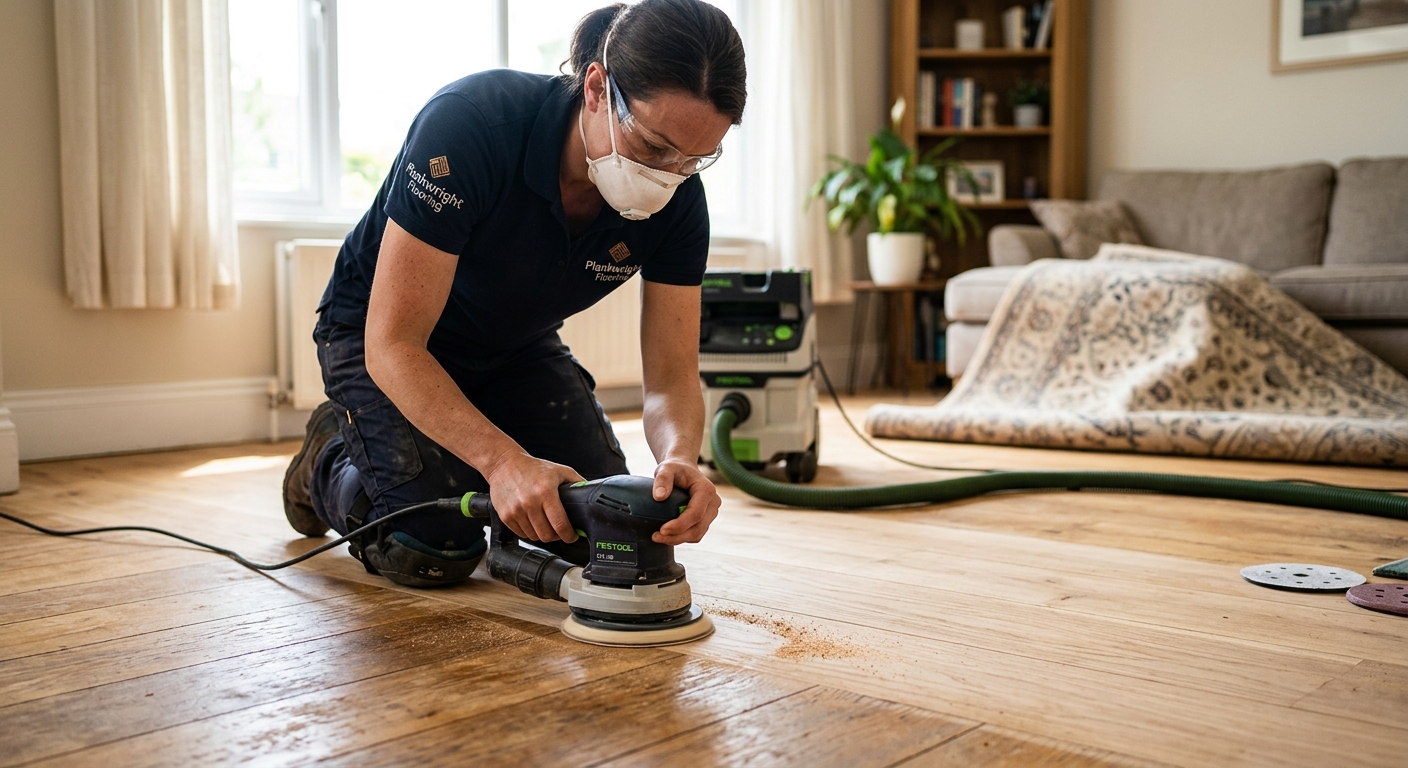
Dust is the reason people dread refinishing, and it is the part we solved. Our sanders connect to a sealed containment system that captures the fine grit at the source, so it does not settle onto every shelf, inside every cabinet, and into the air your family breathes. Homeowners are routinely surprised that they did not need to hire a cleaning crew afterward or move out during the work.
The payoff
We repair localized damage and rotted boards, blend in reclaimed stock where needed, then lay down your choice of stain and a durable satin or matte finish. The result is a floor with real history and a brand-new surface, usually for a fraction of what replacement would cost.
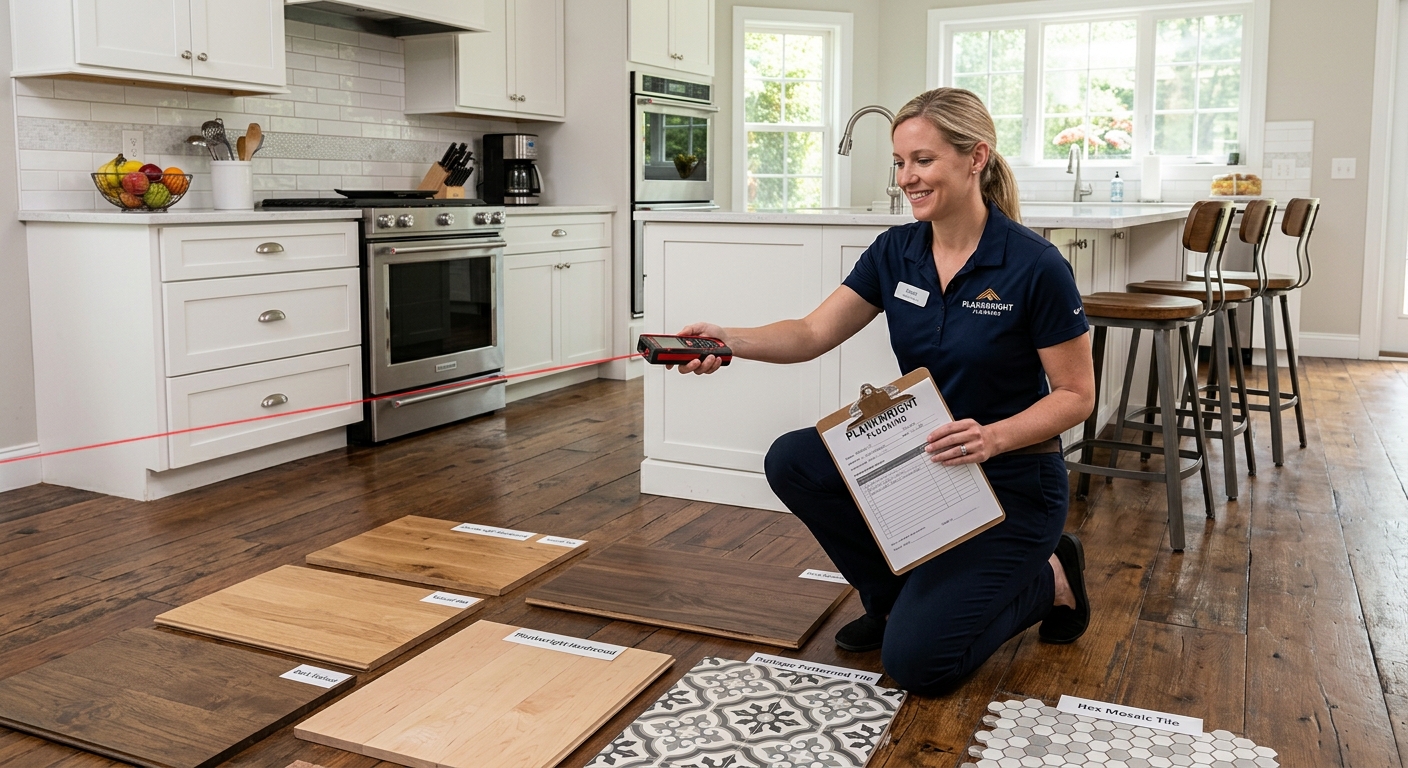
If you have hardwood under your carpet or a tired floor you have written off, book a measure and let us take a look before you commit to tearing it out. More often than not, the answer is a couple of days of work and a floor that looks better than the day it was laid.